Average response time: under 24 hours
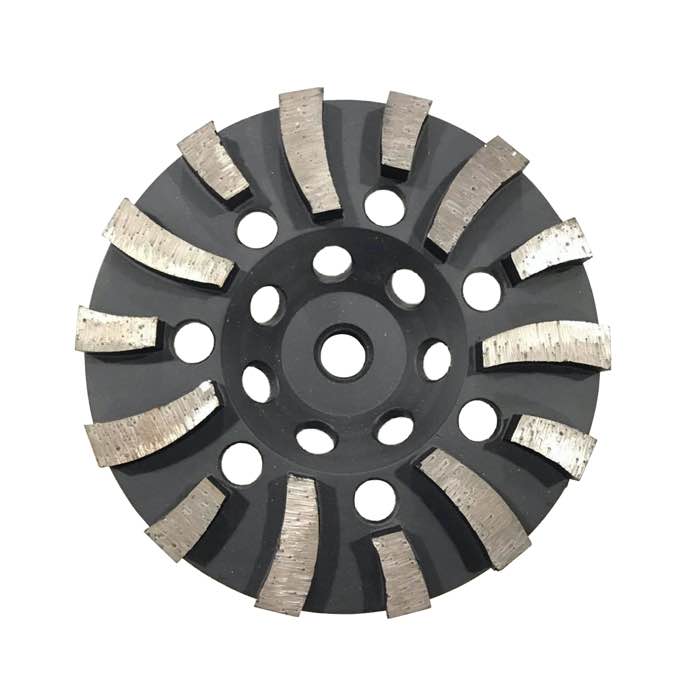
Grinding concrete in high humidity is possible but slower and dustier - moisture makes the concrete softer, loads diamond bonds faster, and delays densifier application. Test slab moisture before you start, run dry grinding with Hepa extraction, and allow the slab to reach a relative humidity below 75% before applying densifier. Use a hard-bond metal disc such as Husqvarna-compatible bar segments so the diamonds stay exposed instead of glazing on the damp surface, and schedule densifier for the driest part of the day.
Dry concrete abrades like fine sandpaper; damp concrete abrades like wet sand - it loads segments, clogs resin pads, and drags. At 80% RH and above, the surface layer of hydrated cement absorbs ambient moisture, softens, and smears across the diamond instead of cutting away. You lose roughly 30% of cut speed and burn through pads twice as fast.
Measure slab moisture, not just ambient humidity. A calcium chloride test gives MVER (moisture vapor emission rate); an in-situ RH probe gives the true interior reading. If in-situ RH exceeds 75%, do not densify or polish - the densifier cannot react with wet concrete and will leave a chalky surface. Wait, run heaters and dehumidifiers, or use a vapor-tolerant densifier system.
| RH reading | Action |
|---|---|
| < 65% | Proceed normally |
| 65-75% | Harder bond, double densifier dwell |
| 75-85% | Grind only; postpone densifier and resin |
| > 85% | Stop; solve vapor source first |
Switch to hard bonds on the metal stage - hard bonds expose diamonds faster, which counters the loading effect of damp paste. HTC-compatible bar segments in a hard bond cut cleanly on humid days. On the resin stage, use open-coat resin pads (not dense filled pads) and run dry with extraction. Wet polishing in humidity is a trap - you cannot see scratch patterns through the slurry, and the water never evaporates to let densifier cure.
Edge work around drains and doorways is where humidity hides - a double-row cup wheel on an angle grinder clears the damp corners without loading as fast as a resin pad.
A: Only under cover. Wet concrete grinds slowly and slurries everywhere; rain on a half-ground slab leaves watermarks that come back as blotchy patches after polishing.
A: Wait until the slab is within 5% of ambient humidity and the surface temperature is above dew point. In 80% RH, that is often 24-48 hours after grinding.
A: Yes. Damp paste loads the resin bond, and the pad stops cutting. Brush pads between grits and switch to a harder resin bond if you see glazing.
A: Yes. Warm slabs (20-25 C) cure densifier 2-3x faster than cool damp slabs. Torpedo heaters or radiant heat make a real difference on humid days.
High humidity does not stop grinding, but it changes tooling and sequencing. Test slab moisture, run hard-bond metal shoes, schedule densifier for the driest window, and do not resin-polish a slab above 75% RH. JOY TECH stocks hard-bond metal discs and open-coat resin pads tuned for humid-condition grinding; tell us your daily RH range for a recommended bond.
Written and reviewed by JOY TECH - an SGS & BV audited, CE/RoHS certified diamond tools manufacturer founded in 2004, exporting to 50+ countries.
Our factory and quality management system are audited by SGS and Bureau Veritas. Products meet CE/RoHS requirements and every piece is 100% inspected before packing.
Verified Certificates
