Average response time: under 24 hours
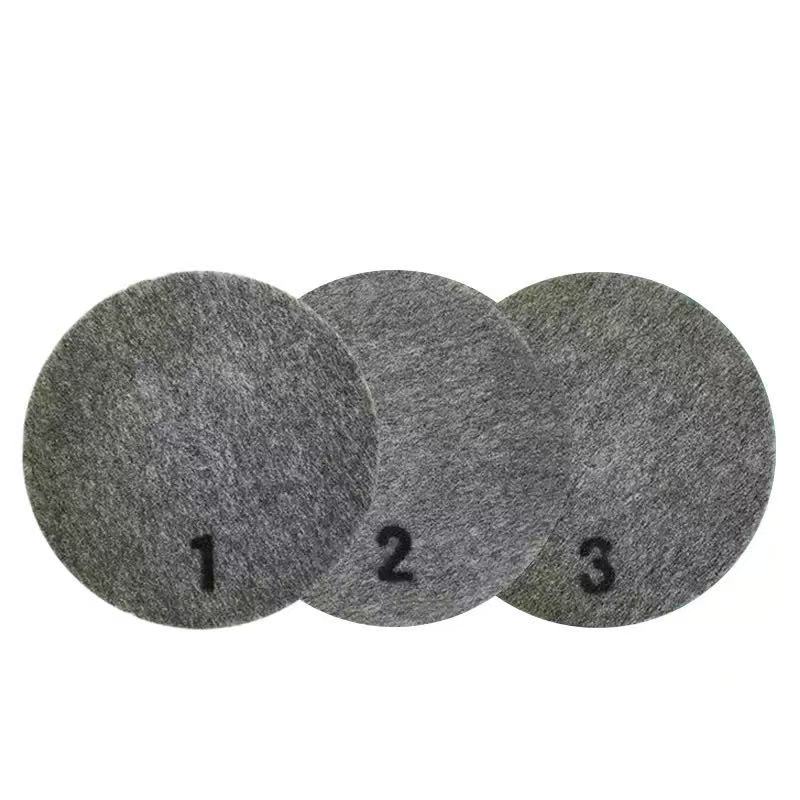
Stop the polishing sequence at the right grit: finish at 200-400 grit resin for a matte look, at 800 grit for a satin sheen. A matte finish keeps the concrete looking natural and hides scratches and wear better; satin reflects softly without the maintenance demands of a mirror gloss. Do not burnish or use 1500+ pads if you want to stay matte.
For a matte finish, use resin polishing pads up to 400 grit and stop. Applying a densifier and a matte sealer locks the low-sheen look.
Grind: 30/40 and 60/80 metal bond to flatten. Transition: 100/120 ceramic or copper bond. Polish: 200 and 400 resin, then stop. Vacuum and densify. If the spec calls for satin, continue to 800 resin — that is the single extra step that separates matte from satin.
Matte and satin finishes are cheaper (fewer steps), faster, lower maintenance and show traffic wear less. They are common for warehouses, retail back-of-house and industrial floors. Gloss is chosen for showrooms and lobbies where appearance is the priority.
A: Yes. Densify and seal matte concrete to protect against staining and dusting; a matte-rated sealer keeps the low-sheen look.
A: Yes — run 400 grit resin over the gloss to reduce sheen, then reseal with a matte sealer.
A:Yes. Satin shows scratches and dust far less and needs less frequent burnishing.
Stop at 400 grit for matte and 800 for satin, then densify and seal with the matching sealer sheen. JOY TECH stocks resin pads through 3000 grit and burnishing pads; tell us the target sheen and we will confirm the exact stop point and pad set.
Written and reviewed by JOY TECH - an SGS & BV audited, CE/RoHS certified diamond tools manufacturer founded in 2004, exporting to 50+ countries.
Our factory and quality management system are audited by SGS and Bureau Veritas. Products meet CE/RoHS requirements and every piece is 100% inspected before packing.
Verified Certificates
